Classic Sci-Fi & Horror Movies


Sci-Fi Movies
-
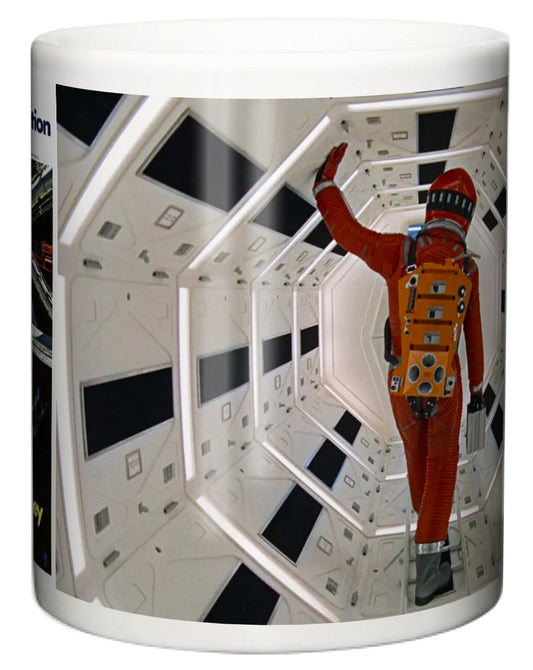
2001: a space odyssey, Classic Sci-Fi Movie Poster & Scene Tea Coffee Mug Gift
Regular price £11.99 GBPRegular price -
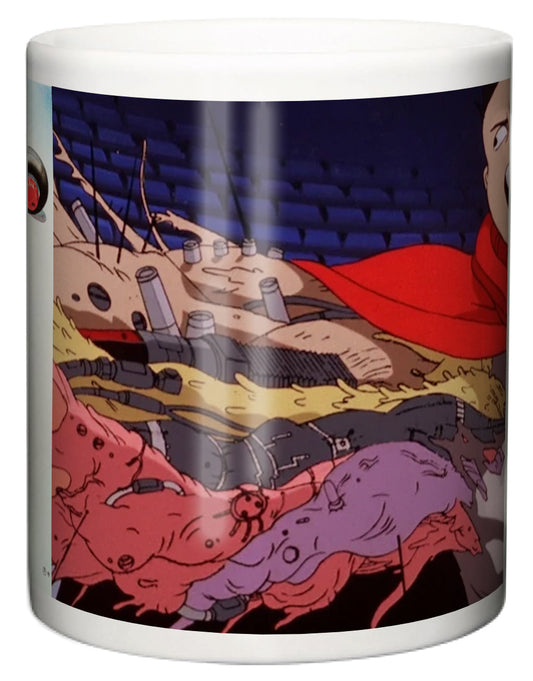
Akira, Classic Anime Sci-Fi Movie Poster & Scene Tea Coffee Mug Gift
Regular price £11.99 GBPRegular price -
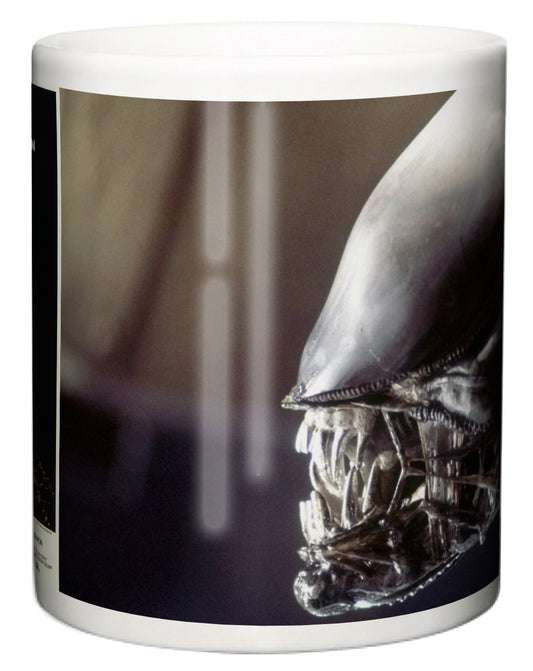
Alien Classic Sci-Fi Movie Poster & Scene Tea Coffee Mug Gift
Regular price £11.99 GBPRegular price -
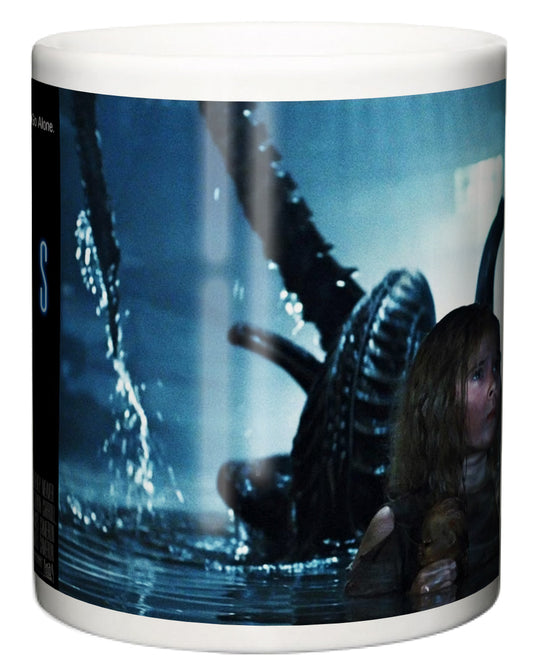
Aliens Classic Sci-Fi Movie Poster & Scene Tea Coffee Mug Gift
Regular price £11.99 GBPRegular price -
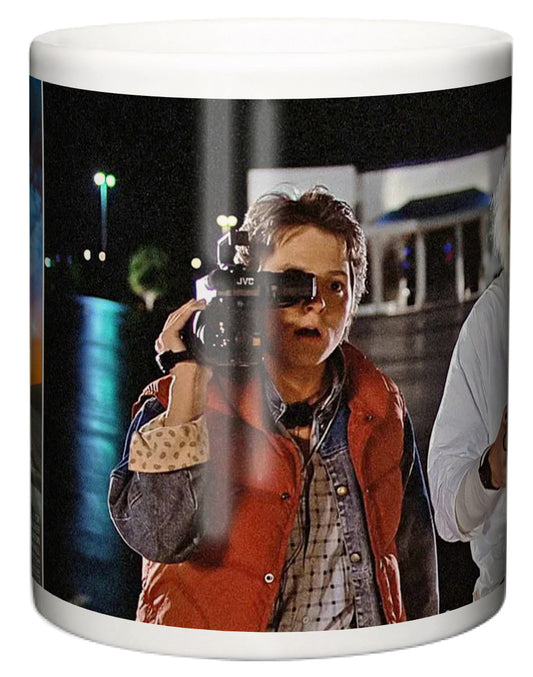
Back to the Future Classic Sci-Fi Movie Poster & Scene Tea Coffee Mug Gift
Regular price £11.99 GBPRegular price -
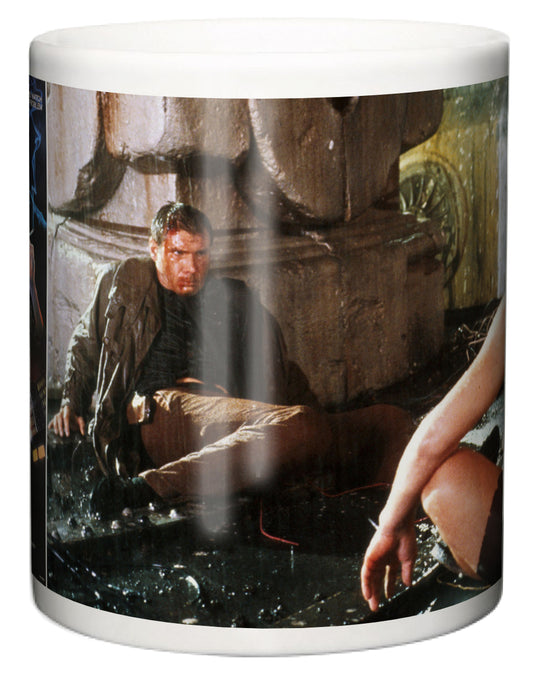
Blade Runner Classic Sci-Fi Movie Poster & Scene Tea Coffee Mug Gift
Regular price £11.99 GBPRegular price -
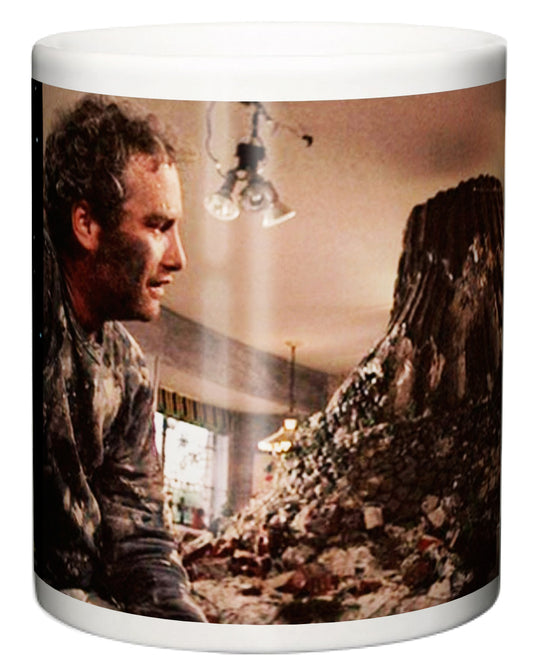
Close Encounters of the Third Kind Classic Sci-Fi Movie Poster & Scene Tea Coffee Mug Gift
Regular price £11.99 GBPRegular price -
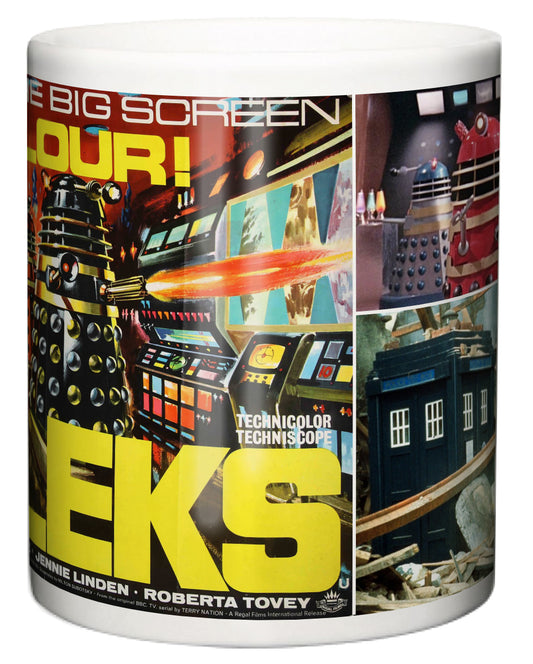
Dr. Who & the Daleks Classic Sci-Fi Movie Poster & Scene Tea Coffee Mug Gift
Regular price £11.99 GBPRegular price -
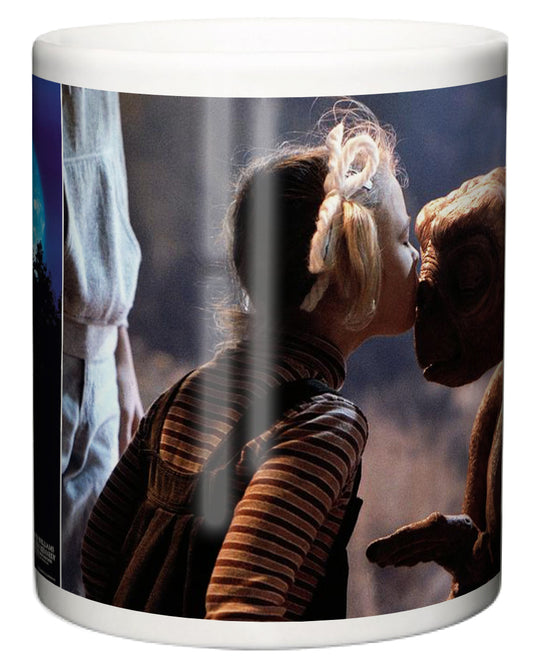
E.T. the Extra-Terrestrial Classic Sci-Fi Movie Poster & Scene Tea Coffee Mug Gift
Regular price £11.99 GBPRegular price -
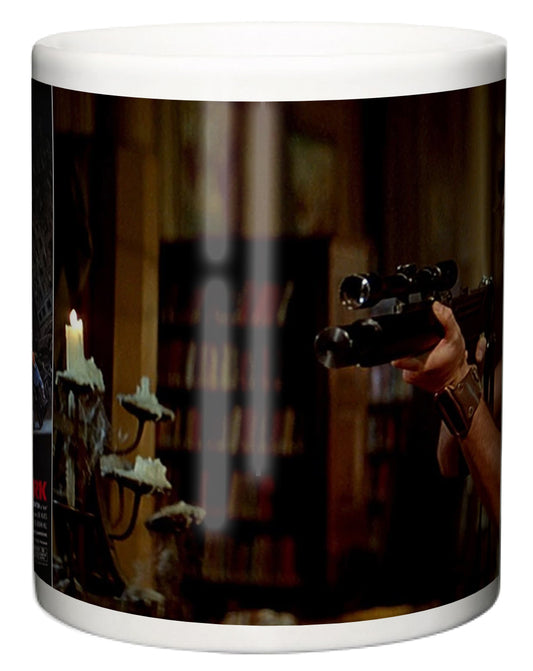
Escape From New York Classic Sci-Fi Movie Poster & Scene Tea Coffee Mug Gift
Regular price £11.99 GBPRegular price -
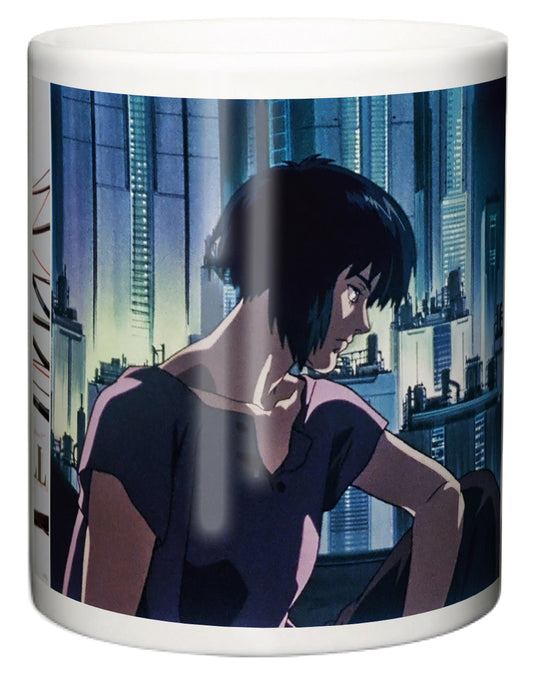
Ghost in the Shell, Classic Anime Sci-Fi Movie Poster & Scene Tea Coffee Mug Gift
Regular price £11.99 GBPRegular price -
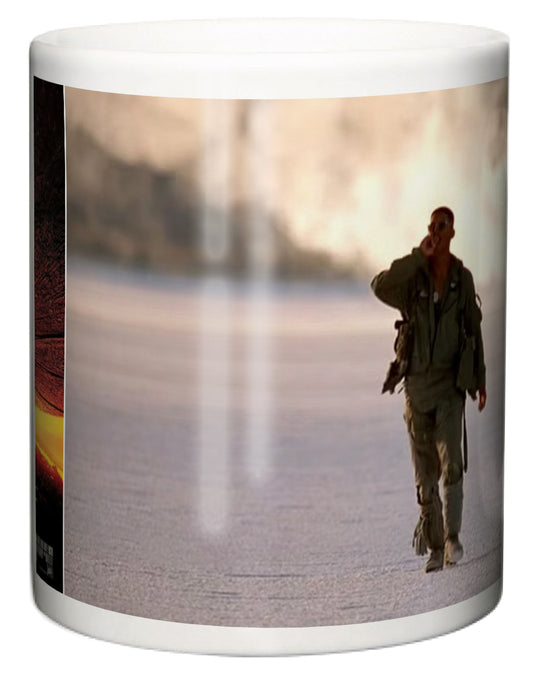
Independence Day, Classic Blockbuster Sci-Fi Movie Poster & Scene Tea Coffee Mug Gift
Regular price £11.99 GBPRegular price -
Logan's Run Classic Sci-Fi Movie Poster & Scene Tea Coffee Mug Gift
Regular price £11.99 GBPRegular price -
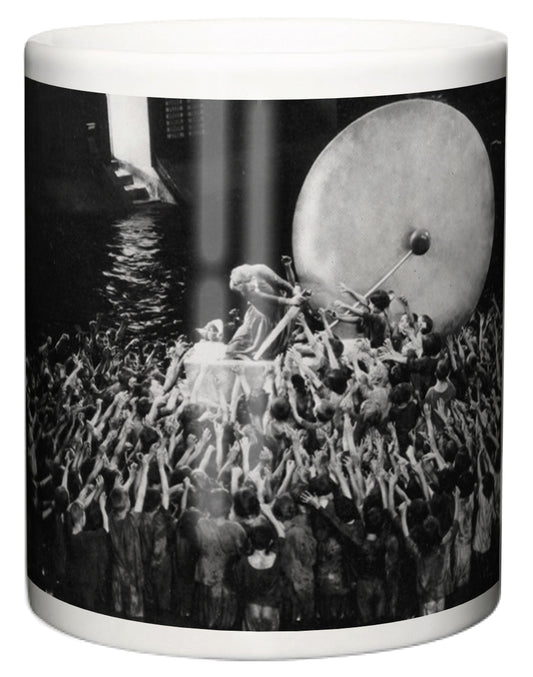
Metropolis 1927, Classic Sci-Fi Movie Poster & Scene Tea Coffee Mug Gift
Regular price £11.99 GBPRegular price -
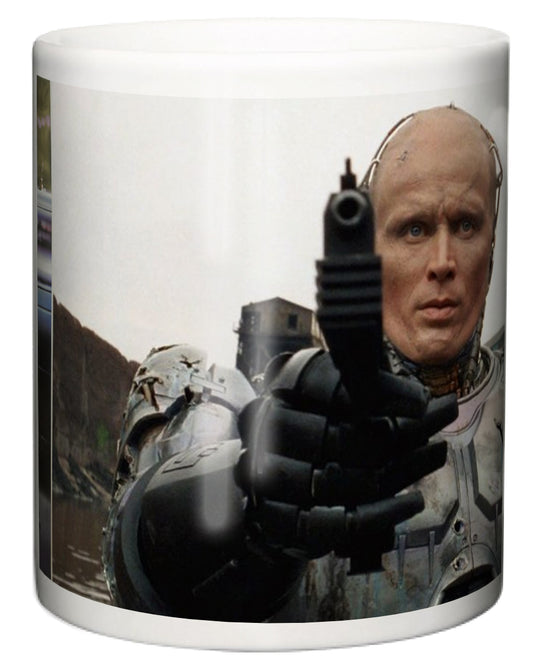
RoboCop, Classic Sci-Fi Movie Poster & Scene Tea Coffee Mug Gift
Regular price £11.99 GBPRegular price -
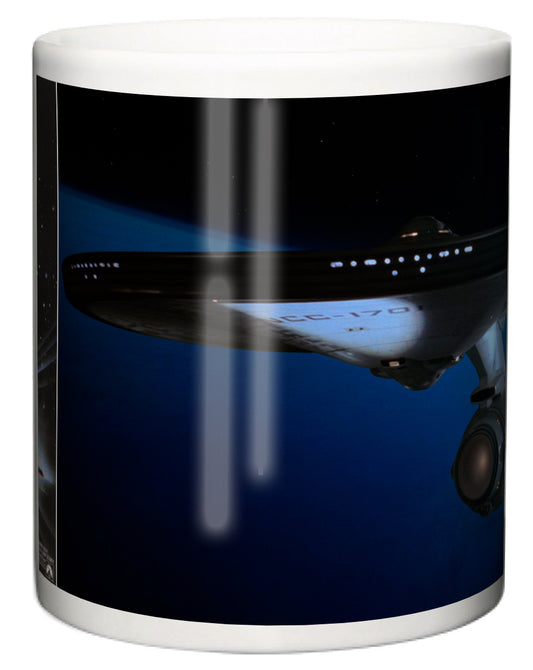
Star Trek: The Motion Picture, Classic Sci-Fi Movie Poster & Scene Tea Coffee Mug Gift
Regular price £11.99 GBPRegular price -
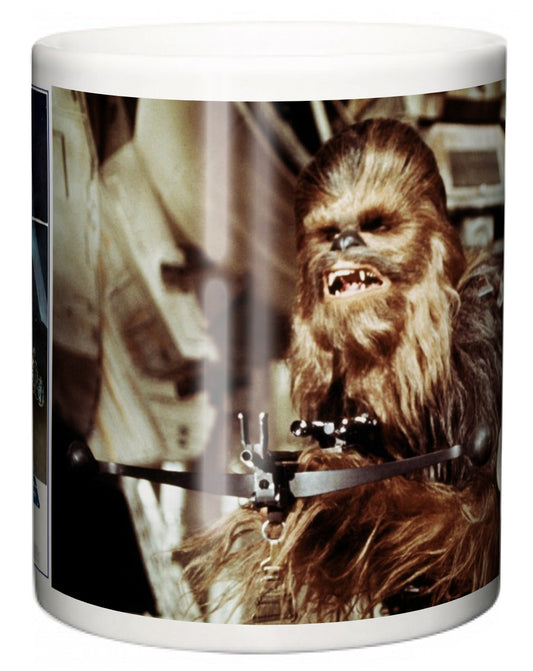
Star Wars Classic Sci-Fi Movie Poster & Scene Tea Coffee Mug Gift
Regular price £11.99 GBPRegular price -
Terminator 2: Judgement Day, Classic Sci-Fi Movie Poster & Scene Tea Coffee Mug Gift
Regular price £11.99 GBPRegular price -
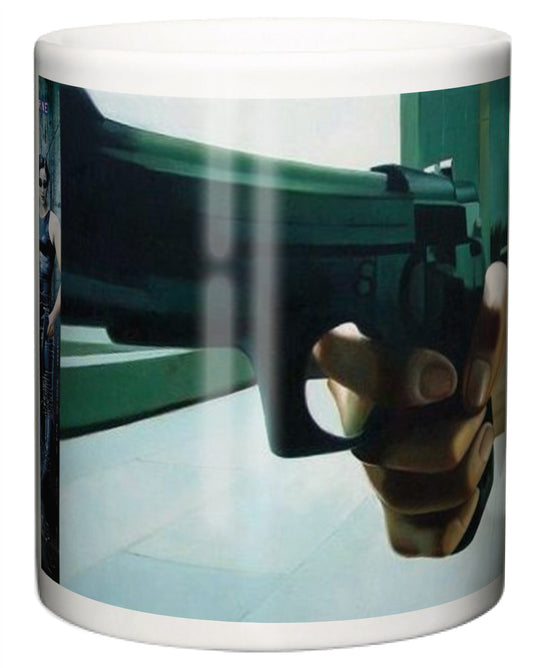
The Matrix, Classic Blockbuster Sci-Fi Movie Poster & Scene Tea Coffee Mug Gift
Regular price £11.99 GBPRegular price -
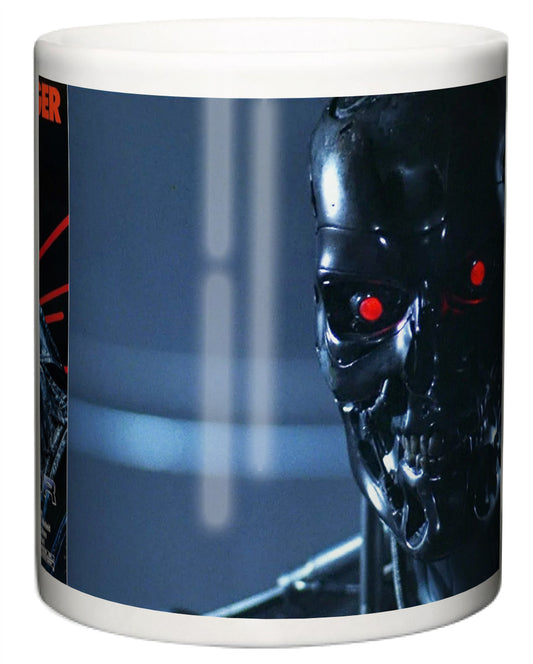
The Terminator, Classic Sci-Fi Movie Poster & Scene Tea Coffee Mug Gift
Regular price £11.99 GBPRegular price -
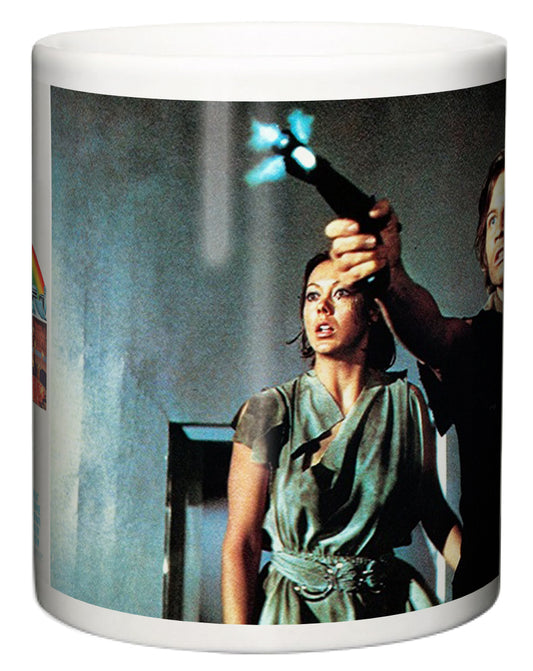
Westworld 1973 Classic Sci-Fi Movie Poster & Scene Tea Coffee Mug Gift
Regular price £11.99 GBPRegular price























Horror Movies
-
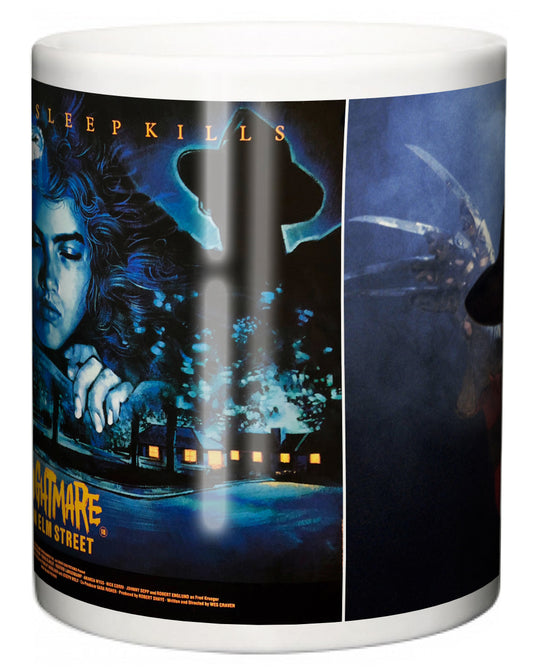
A Nightmare on Elm Street Classic Horror Movie Poster & Scene Tea Coffee Mug Gift
Regular price £11.99 GBPRegular price -
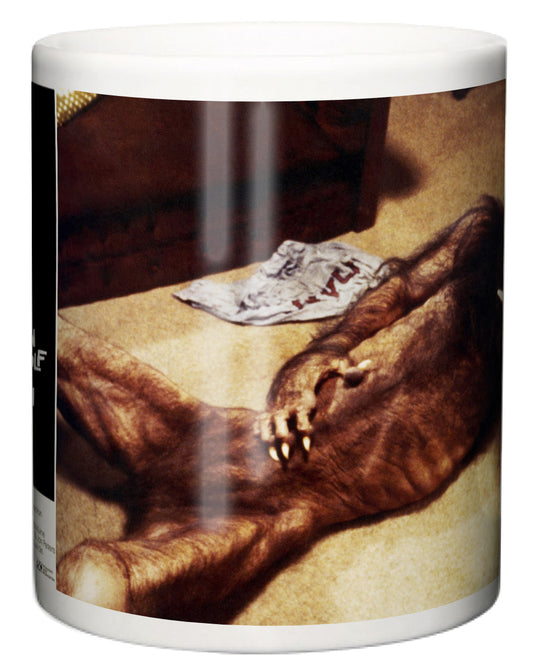
An American Werewolf in London Classic Horror Movie Poster & Scene Tea Coffee Mug Gift
Regular price £11.99 GBPRegular price -
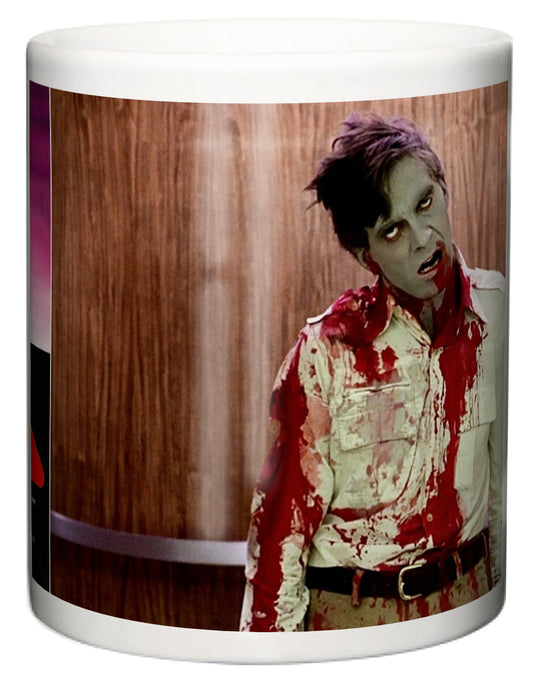
Dawn of the Dead, Classic Horror Movie Poster & Scene Tea Coffee Mug Gift
Regular price £11.99 GBPRegular price -
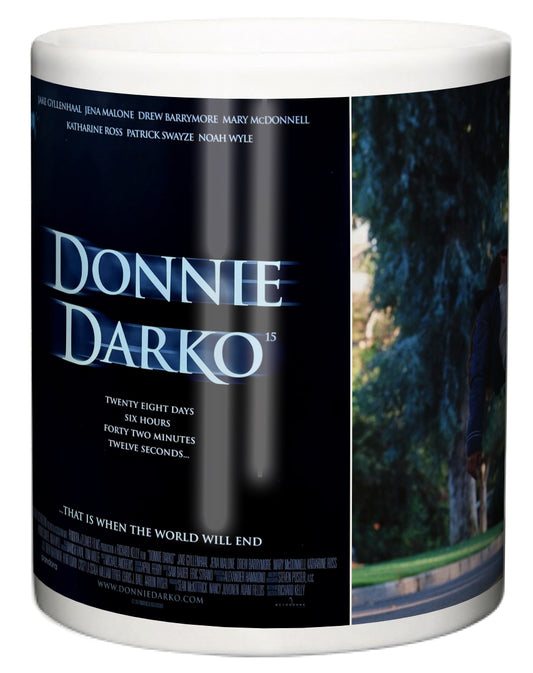
Donnie Darko, Classic Horror Movie Poster & Scene Tea Coffee Mug Gift
Regular price £11.99 GBPRegular price -
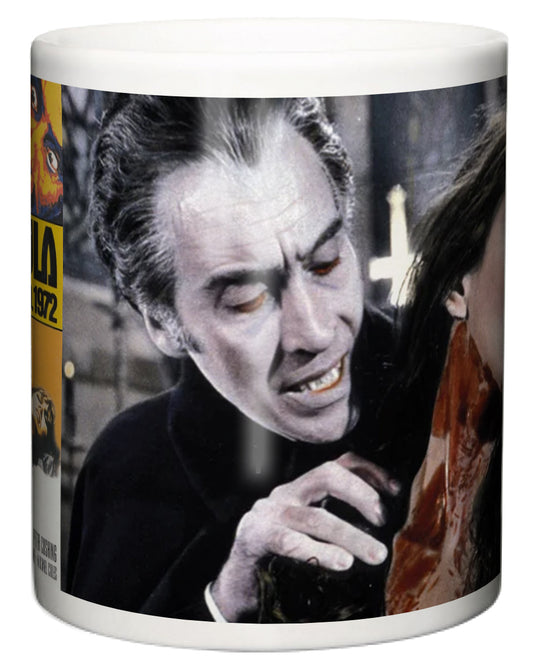
Dracula A.D. 1972 Classic Horror Movie Poster & Scene Tea Coffee Mug Gift
Regular price £11.99 GBPRegular price -
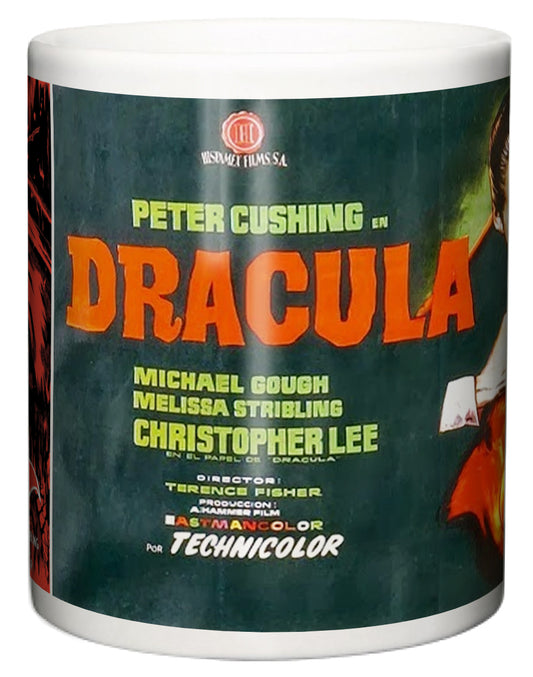
Dracula Classic Horror Movie Posters Tea Coffee Mug Gift
Regular price £11.99 GBPRegular price -
Dracula, 1931 Classic Horror Movie Poster & Scene Tea Coffee Mug Gift
Regular price £11.99 GBPRegular price -
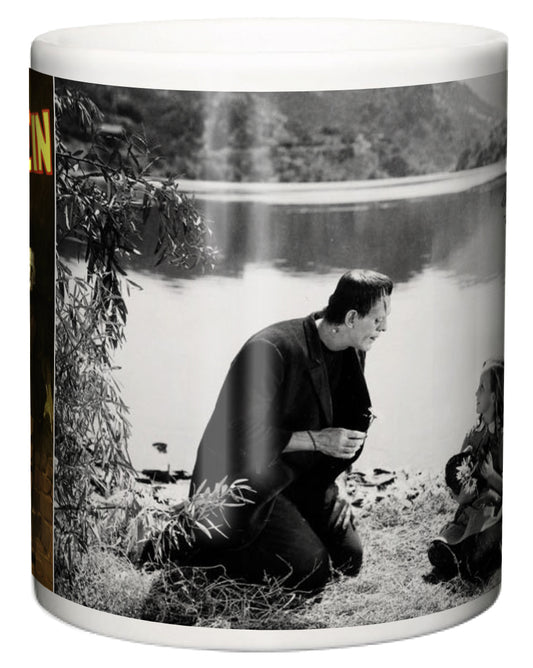
Frankenstein, 1931 Classic Horror Movie Poster & Scene Tea Coffee Mug Gift
Regular price £11.99 GBPRegular price -
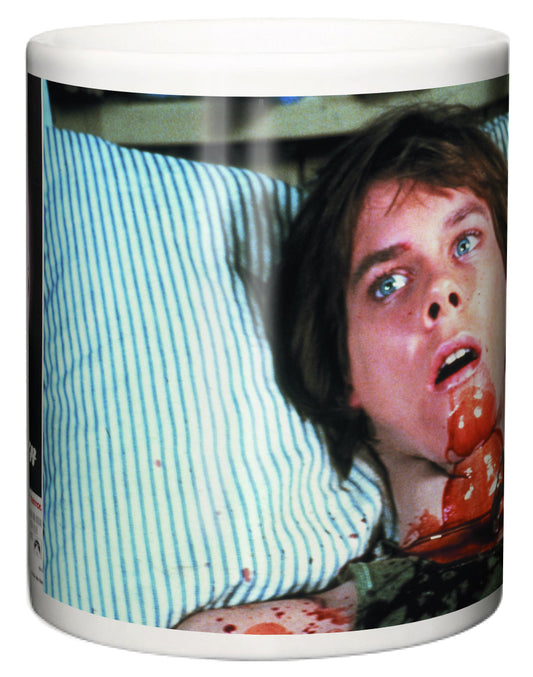
Friday the 13th, Classic Horror Movie Poster & Scene Tea Coffee Mug Gift
Regular price £11.99 GBPRegular price -
Halloween, Classic Horror Movie Poster & Scene Tea Coffee Mug Gift
Regular price £11.99 GBPRegular price -
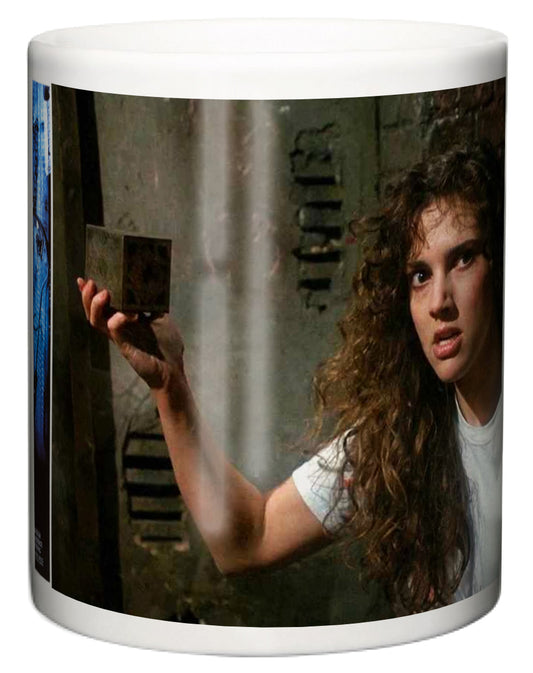
Hellraiser, Classic Horror Movie Poster & Scene Tea Coffee Mug Gift
Regular price £11.99 GBPRegular price -
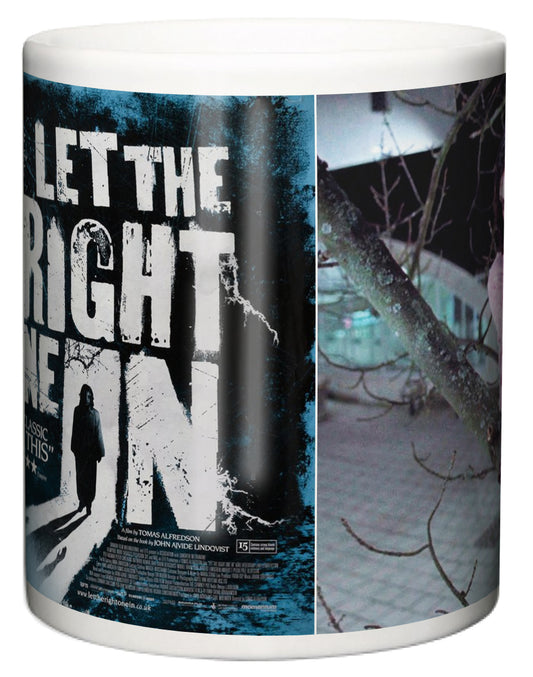
Let the Right One In, Modern Swedish Horror Movie Poster & Scene Tea Coffee Mug Gift
Regular price £11.99 GBPRegular price -
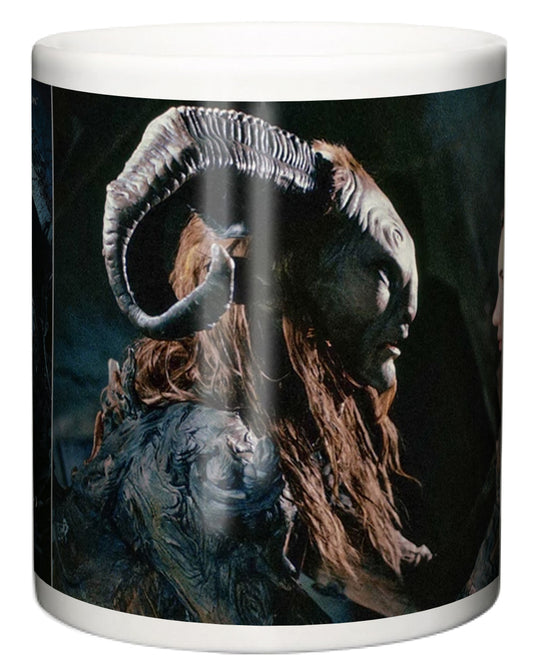
Pan's Labyrinth Classic Fantasy Horror Movie Poster & Scene Tea Coffee Mug Gift
Regular price £11.99 GBPRegular price -
Predator, Classic Monster Horror Movie Poster & Scene Tea Coffee Mug Gift
Regular price £11.99 GBPRegular price -
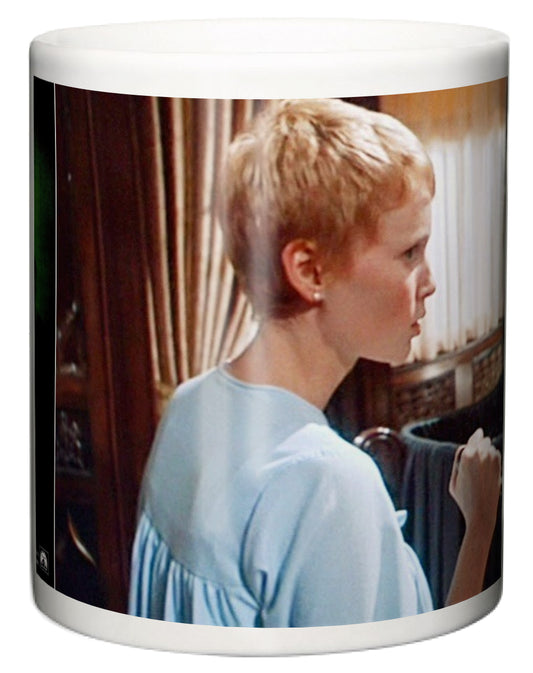
Rosemary's Baby, Classic Satanic Horror Movie Poster & Scene Tea Coffee Mug Gift
Regular price £11.99 GBPRegular price -
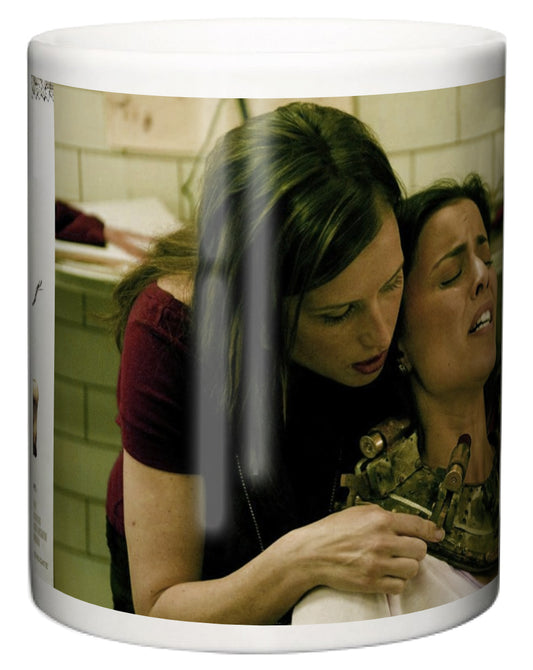
Saw II, Classic Slasher Horror Movie Poster & Scene Tea Coffee Mug Gift
Regular price £11.99 GBPRegular price -
Saw III, Classic Slasher Horror Movie Poster & Scene Tea Coffee Mug Gift
Regular price £11.99 GBPRegular price -
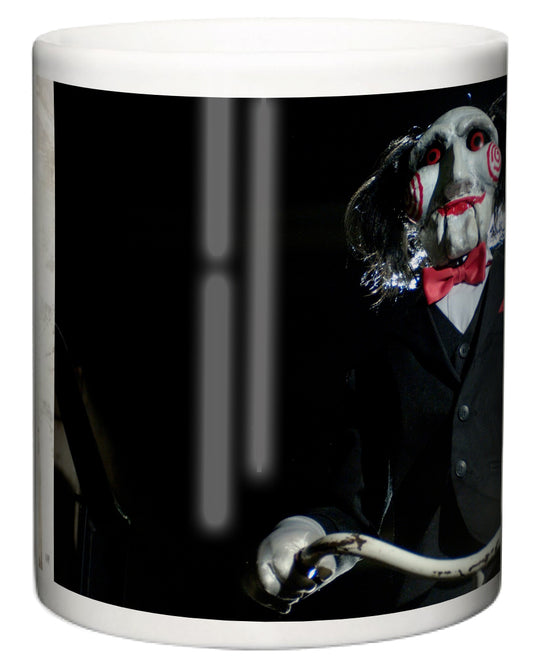
Saw, Classic Slasher Horror Movie Poster & Scene Tea Coffee Mug Gift
Regular price £11.99 GBPRegular price -
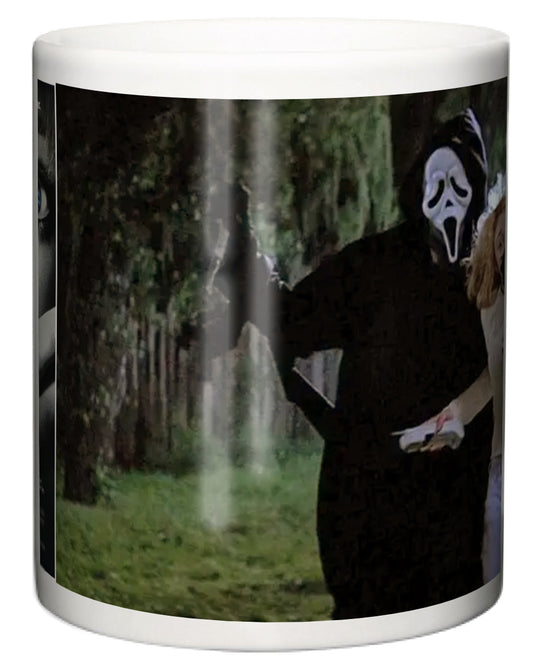
Scream, Classic Slasher Horror Movie Poster & Scene Tea Coffee Mug Gift
Regular price £11.99 GBPRegular price -
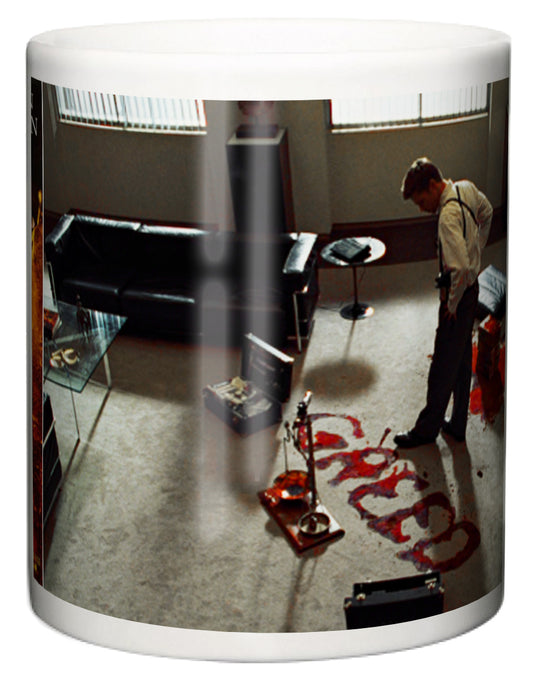
Seven, Classic Serial Killer Movie Poster & Scene Tea Coffee Mug Gift
Regular price £11.99 GBPRegular price -
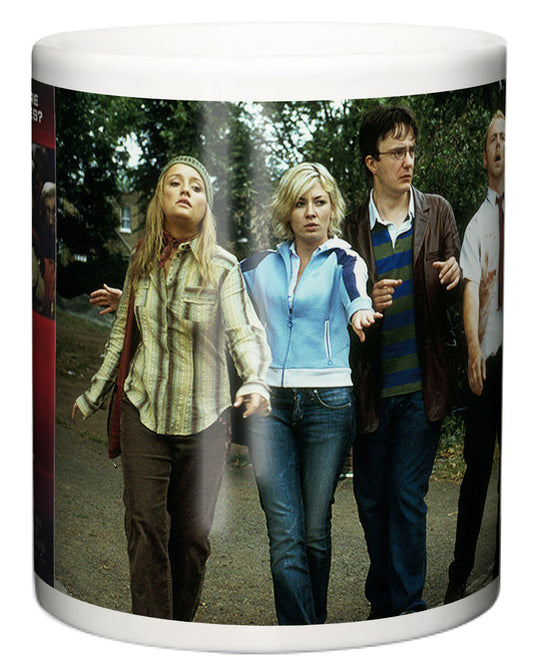
Shaun of the Dead Classic Comedy Horror Movie Poster & Scene Tea Coffee Mug Gift
Regular price £11.99 GBPRegular price -
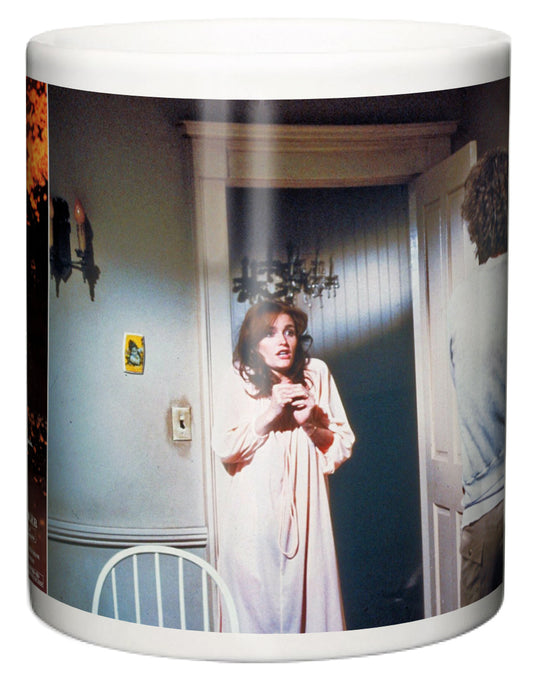
The Amityville Horror, Classic Movie Poster Tea Coffee Mug Gift
Regular price £11.99 GBPRegular price -
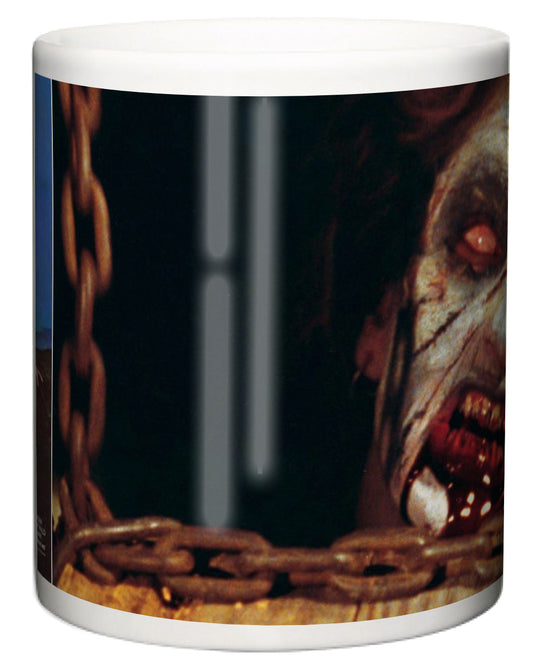
The Evil Dead, Classic Horror Movie Poster & Scene Tea Coffee Mug Gift
Regular price £11.99 GBPRegular price -
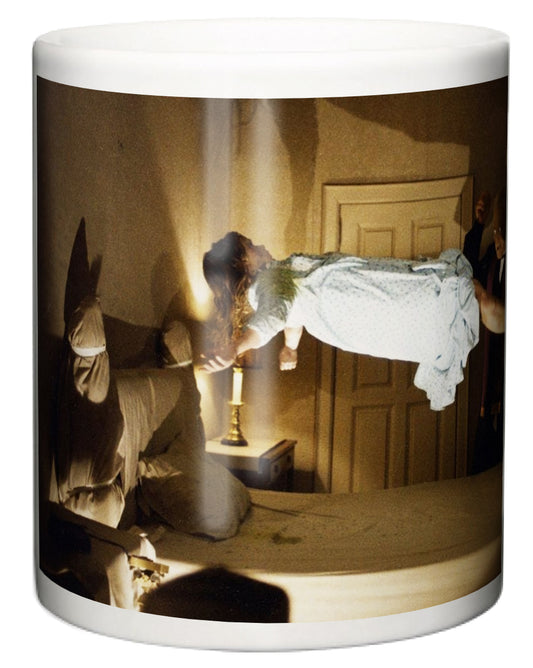
The Exorcist, Classic Horror Movie Poster & Scene Tea Coffee Mug Gift
Regular price £11.99 GBPRegular price