British Army Mugs


Shop Batallions, Corps, Regiments etc...
View all-

Adjutant General's Corps
The Adjutant General's Corps (AGC) is one of the largest corps in...
-

Army Air & Physical Training Corps
The **Army Air Corps (AAC)** serves as the combat aviation arm of...
-

Royal Regiment of Artillery
The **Royal Regiment of Artillery**, commonly known as the Royal Artillery (RA)...
-

Royal Army Chaplains' Department
The **Royal Army Chaplains' Department (RAChD)** provides spiritual, pastoral, and moral support...
-

Corps of Royal Electrical & Mechanical Engineers
The **Corps of Royal Electrical and Mechanical Engineers (REME)** is the British...
-

Corps of Royal Engineers
The **Corps of Royal Engineers (RE)**, commonly known as the Sappers, is...
-

Intelligence Corps
The **Intelligence Corps** of the British Army, often referred to through its...
-

Royal Logistic Corps
The Royal Logistic Corps (RLC) is the largest corps in the British...
-

Royal Army Medical Corps
The Royal Army Medical Corps (RAMC) was a specialist corps in the...
-

Music Corps
The **Royal Corps of Army Music (RCAM)** is a specialist corps of...
-

Royal Armoured Corps
The **Royal Armoured Corps (RAC)** is the armoured fighting vehicle branch of...
-

Signals Corps & Special Forces
The **Royal Corps of Signals (RCS)**, often nicknamed "the Royal Signals," is...
-

Small Arms School Corps
The **Small Arms School Corps (SASC)** is a specialist corps of the...


About the British Army
Eamples of Infantry designs
-
1st Battalion of The Merican Regiment British Army Tea Mug Gift
Regular price £11.99 GBPRegular price -
1st Battalion of The Parachute Regiment British Army Tea Mug Gift
Regular price £11.99 GBPRegular price -
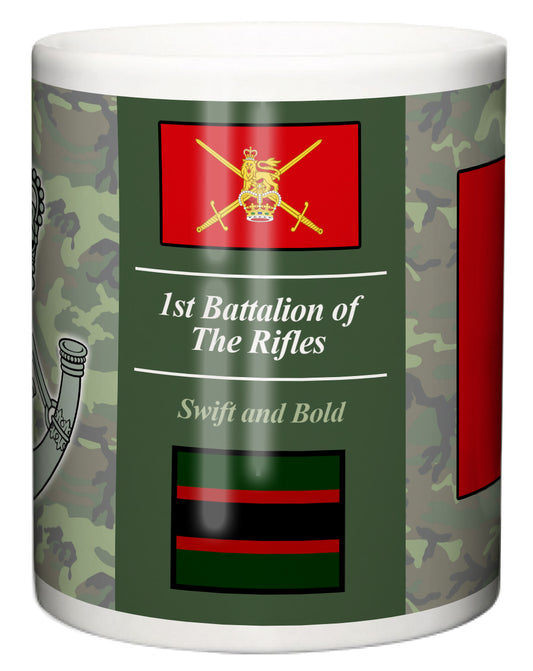
1st Battalion of The Rifles British Army Tea Mug Gift
Regular price £11.99 GBPRegular price -
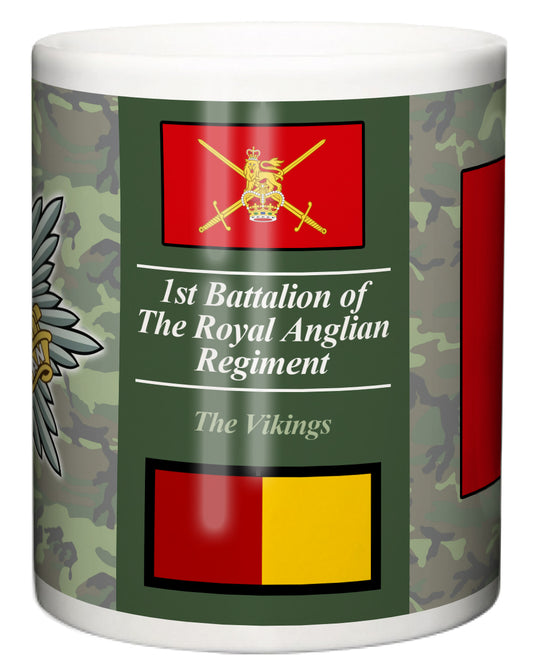
1st Battalion of The Royal Anglian Regiment British Army Tea Mug Gift
Regular price £11.99 GBPRegular price