Collection: Army Air & Physical Training Corps
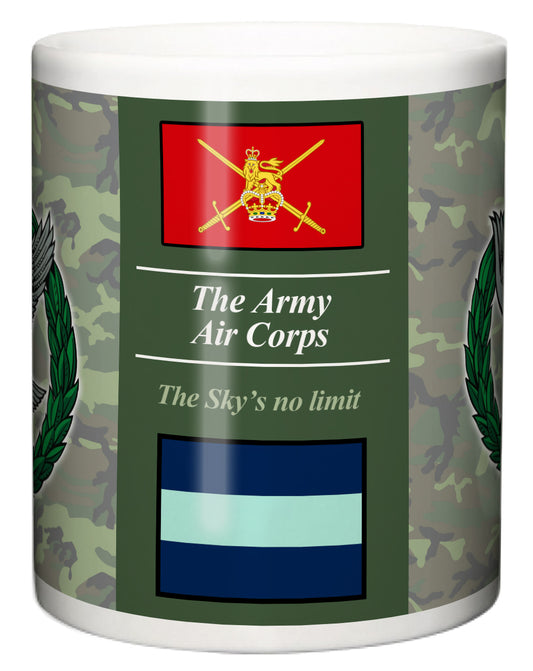
The **Army Air Corps (AAC)** serves as the combat aviation arm of the British Army, delivering tactical attack, reconnaissance, and intelligence capabilities through a fleet of advanced rotary-wing aircraft. Soldiers operate the formidable **AH-64E Apache** attack helicopter for precision firepower and the **Wildcat Mk1** for battlefield reconnaissance and light utility roles. The AAC traces its modern origins to 1 September 1957, when it formed by merging the Glider Pilot Regiment with the RAF's Air Observation Post Squadrons, building on earlier airborne forces from World War II. Headquartered at the Army Aviation Centre in Middle Wallop, Hampshire, the Corps consists of eight regiments (seven regular and one reserve), along with independent flights supporting operations worldwide. Recognizable by their light blue berets, AAC aircrews and groundcrews have played pivotal roles in conflicts from the Falklands and Gulf Wars to Afghanistan and recent NATO exercises, providing essential eyes in the sky and direct support to ground forces.
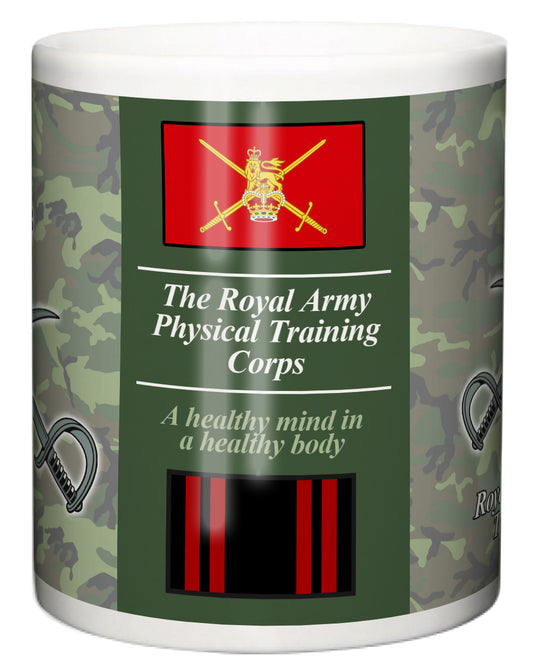
The Royal Army Physical Training Corps (RAPTC) is the branch of the British Army responsible for maintaining the physical fitness and "fighting efficiency" of the troops. Originally formed in 1860 as the Army Gymnastic Staff to improve the poor health of soldiers following the Crimean War, it was granted the "Royal" title by Queen Elizabeth II in 2010 to mark its 150th anniversary. Based at Fox Lines in Aldershot, the corps operates under the famous motto Mens sana in corpore sano ("A healthy mind in a healthy body"). Unlike most other corps, the RAPTC does not recruit directly from civilian life; instead, serving soldiers from other regiments who have qualified as All Arms Physical Training Instructors (AAPTIs) volunteer to transfer into the corps. These elite instructors, known as RAPTCIs, are easily identified by their cap badge featuring crossed swords surmounted by a crown. Their duties extend beyond basic fitness training to include rehabilitation, sports coaching, and adventure training, ensuring soldiers are physically robust enough for operations worldwide.